For years, design, fashion, architecture, and art have often been characterized by bold statements, vibrant colors, and layers of visual complexity. Yet as trends evolve, a growing movement is embracing a different philosophy—one that values restraint, intentionality, and form. This shift has led to the grand return of sculptural minimalism, an aesthetic that combines the simplicity of minimal design with the expressive power of sculptural shapes. It is a movement that proves less can still be deeply impactful.
Sculptural minimalism is rooted in the idea that form itself can create meaning. Rather than relying on excessive decoration or elaborate details, designers focus on shape, proportion, texture, and material. Clean lines and carefully crafted silhouettes become the primary means of expression. The result is work that feels refined, timeless, and visually striking without appearing overwhelming.
One reason for the resurgence of sculptural minimalism is a growing desire for calm and clarity. In an age of constant digital stimulation, many people are seeking environments and objects that offer a sense of balance. Minimalist designs create visual breathing room, while sculptural elements add character and individuality. Together, they provide an alternative to the clutter and excess that often dominate modern life.
Architecture offers some of the most compelling examples of this trend. Contemporary buildings increasingly feature bold geometric forms, natural materials, and open spaces that emphasize structure over ornamentation. Curved walls, monolithic volumes, and carefully considered proportions create visual interest without relying on decorative excess. These designs demonstrate how simplicity can coexist with artistic expression.
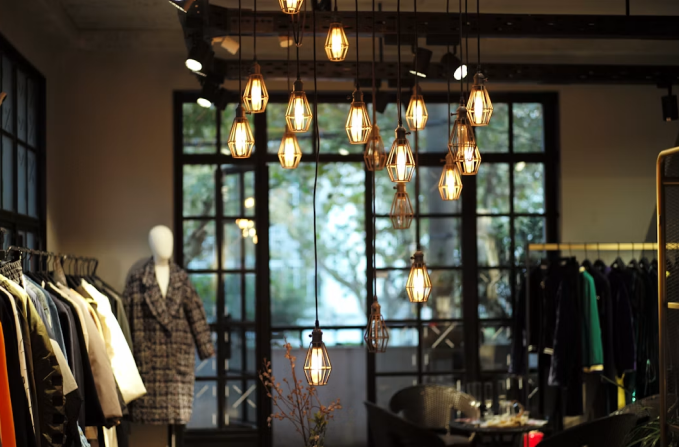
The influence of sculptural minimalism is equally visible in interior design. Furniture pieces are often treated as functional sculptures, combining utility with aesthetic presence. A chair, table, or lighting fixture may feature fluid curves or architectural forms that transform everyday objects into works of art. Neutral color palettes and natural materials further reinforce the sense of understated elegance.
Fashion has also embraced this return to form-focused design. Designers are creating garments that emphasize silhouette, drape, and construction rather than heavy embellishment. Sculptural tailoring, oversized shapes, and clean lines allow clothing to make a statement through structure alone. This approach highlights craftsmanship and encourages a deeper appreciation for design details.
Art and product design have similarly adopted minimalist sculptural principles. Artists explore volume, texture, and spatial relationships, creating works that engage viewers through form rather than complexity. Product designers focus on essential features, removing unnecessary elements while enhancing usability and visual harmony.
Another factor driving the popularity of sculptural minimalism is sustainability. Consumers are increasingly drawn to products and spaces designed to last. Timeless forms and durable materials often age more gracefully than trend-driven designs. By prioritizing quality over quantity, sculptural minimalism aligns with a broader movement toward conscious consumption and long-term value.
Technology has also contributed to the evolution of this aesthetic. Advanced manufacturing techniques and digital design tools allow creators to experiment with complex forms while maintaining minimalist principles. As a result, sculptural designs can achieve a balance between innovation and simplicity that was once difficult to realize.
Beyond excess lies a renewed appreciation for intentional design. The return of sculptural minimalism reflects a desire to focus on what truly matters—form, function, material, and experience. It demonstrates that powerful design does not require abundance. Instead, it can emerge from thoughtful decisions and carefully refined details.
As this movement continues to influence creative industries, sculptural minimalism serves as a reminder that simplicity is not the absence of expression. Rather, it is a disciplined and purposeful approach that allows beauty, craftsmanship, and form to speak for themselves.