Introduction
Architecture in film noir is more than a backdrop. It is a powerful visual language that communicates mystery, fear, isolation, and moral uncertainty. From narrow city alleys and towering skyscrapers to dimly lit staircases and abandoned buildings, architectural spaces help establish the dark atmosphere that defines noir storytelling. Through dramatic lighting, unusual angles, and deep shadows, buildings become essential elements in creating suspense and revealing the psychological struggles of characters.
Architectural shadows in noir transform ordinary urban environments into places filled with secrets, danger, and uncertainty.
The Relationship Between Architecture and Darkness
Film noir is widely recognized for its high-contrast lighting, moody compositions, and shadow-filled environments. Architecture provides the perfect structure for these visual techniques. Buildings contain countless surfaces, corners, corridors, windows, and doorways that allow light and darkness to interact in dramatic ways.
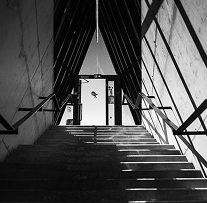
A staircase illuminated by a single overhead light can create long, distorted shadows across the walls. A narrow hallway may appear endless when its far end disappears into darkness. Even a simple window can project geometric patterns across a room, suggesting that a character is trapped within an invisible boundary.
These architectural details contribute to the emotional atmosphere of noir. Rather than presenting spaces as comfortable or welcoming, filmmakers often use buildings to create tension and uncertainty. The viewer is encouraged to question what lies beyond the visible environment.
Urban Landscapes as Symbols of Isolation
Cities play a central role in noir storytelling. Their crowded streets, towering structures, and dense networks of alleyways provide endless opportunities for visual storytelling. However, these urban environments rarely feel inviting. Instead, they often appear cold, impersonal, and threatening.
Skyscrapers may dominate the frame, making human characters seem small and powerless. Narrow streets can create a sense of confinement, while empty sidewalks emphasize loneliness despite the surrounding population.
Rain-soaked streets and reflective pavement frequently intensify this atmosphere. Streetlights illuminate portions of buildings while leaving surrounding areas in darkness. The resulting contrast creates a visual division between what is known and what remains hidden.
In this way, noir architecture reflects the contradictions of urban life. Cities offer opportunity and excitement, yet they can also encourage anonymity, corruption, and emotional disconnection.
Shadows, Geometry, and Visual Tension
One of the most distinctive characteristics of noir architecture is its use of geometric shadows. Window frames, railings, fire escapes, and structural beams create patterns that divide spaces into contrasting areas of light and darkness.
These patterns often resemble bars or cages, visually suggesting that characters are trapped by their decisions, circumstances, or past mistakes. A character standing behind a patterned window may appear imprisoned even when no physical barrier prevents escape.
Diagonal shadows are particularly effective in creating visual instability. Unlike balanced horizontal and vertical lines, diagonal patterns introduce a sense of movement and disorder. They can make familiar rooms appear unsettling and reflect the unpredictable nature of noir narratives.
Architectural geometry also guides the viewer’s attention. Brightly illuminated doorways may suggest possible escape, while dark corners encourage suspicion. Every visual element contributes to the atmosphere, making architecture an active participant in the story.
Interior Spaces and Psychological Conflict
Noir interiors frequently reveal the emotional conditions of the people who occupy them. Small apartments, dim offices, hotel rooms, and underground clubs often become extensions of a character’s psychological state.
A detective’s office might contain venetian blinds that cast striped shadows across a desk, symbolizing the complicated truths hidden within an investigation. A poorly lit apartment may communicate financial hardship, emotional isolation, or personal instability.
The arrangement of furniture and the proportions of a room can also influence how viewers perceive characters. Large, empty interiors may emphasize loneliness, while cramped spaces create pressure and discomfort.
Mirrors and reflective surfaces add another layer of complexity. They introduce fragmented images and uncertain perspectives, suggesting that appearances can be deceptive. In noir, a room rarely reveals everything at once. Darkness conceals details, reflections distort reality, and familiar surroundings become psychologically threatening.
The Influence of Classic Noir on Modern Design
Although classic film noir developed primarily during the 1940s and 1950s, its architectural language continues to influence contemporary cinema, photography, and interior design.
Modern filmmakers frequently use brutalist buildings, industrial spaces, underground parking structures, and minimalist interiors to create similar feelings of alienation and unease. Concrete walls, sharp edges, and stark lighting can reproduce the emotional intensity traditionally associated with noir environments.
Photographers also borrow noir techniques by capturing buildings at night, emphasizing silhouettes, and using artificial lighting to highlight architectural details. These images demonstrate how shadows can transform ordinary structures into dramatic visual compositions.
In contemporary architecture and design, noir-inspired aesthetics appear through dark materials, metallic surfaces, directional lighting, and carefully controlled contrasts. When applied thoughtfully, these elements create spaces that feel sophisticated, mysterious, and atmospheric.
Conclusion
Architectural shadows in noir demonstrate how buildings can communicate emotions and ideas beyond their practical functions. Through dramatic lighting, geometric patterns, confined interiors, and imposing urban landscapes, architecture becomes a visual expression of mystery and psychological conflict.
The most memorable noir environments do more than surround their characters. They shape the audience’s perception, reinforce narrative tension, and reveal the hidden complexities of human behavior.
Whether found in a shadow-filled detective’s office or beneath the towering structures of a modern city, noir architecture reminds us that darkness is not simply the absence of light. It is a storytelling tool that gives ordinary spaces extraordinary meaning.