When the sun sets and the daytime crowds begin to disappear, many people assume the city is winding down. In reality, a different version of the city is just beginning to emerge. Streets that felt rushed and crowded during the day take on a new atmosphere, illuminated by streetlights, storefront signs, and the glow of buildings against the night sky. The city gains a second life when the sun goes down, offering experiences, opportunities, and perspectives that are often overlooked during daylight hours.
One of the most noticeable changes is the pace of life. During the day, cities are driven by work schedules, traffic, meetings, and deadlines. At night, the rhythm shifts. People gather with friends and family, explore local restaurants, attend cultural events, or simply enjoy a peaceful walk. The pressure of the workday fades, making room for recreation and connection. Public spaces such as parks, plazas, and waterfronts often become gathering spots where residents can relax and enjoy the cooler evening air.
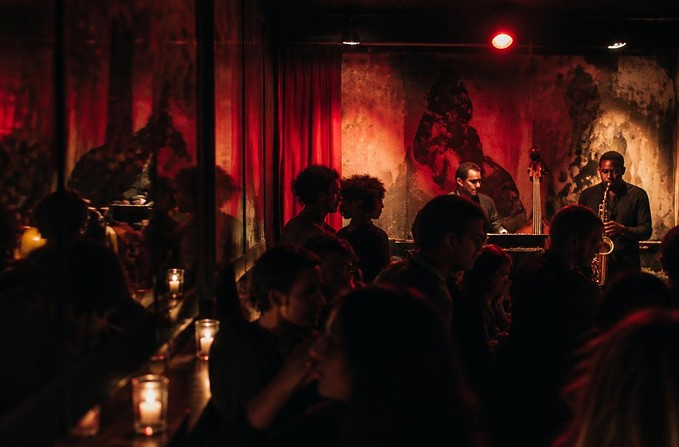
The nighttime economy is another important aspect of a city’s second life. Restaurants, cafes, theaters, music venues, and entertainment districts come alive after dark. These businesses create jobs, attract visitors, and contribute significantly to local economies. In many cities, nightlife has become an essential part of the community’s identity, helping neighborhoods thrive long after traditional business hours have ended.
Cities also reveal a different kind of beauty at night. Architectural details that may go unnoticed during the day are highlighted by carefully designed lighting. Bridges, skyscrapers, monuments, and historic buildings often become visual landmarks after sunset. Reflections of city lights on rivers and lakes create stunning scenes that attract photographers and tourists alike. For many people, the nighttime skyline is one of the most memorable images a city can offer.
Beyond entertainment and aesthetics, nighttime provides opportunities for creativity and inspiration. Writers, artists, musicians, and entrepreneurs often find that the quieter atmosphere encourages fresh ideas and deeper focus. The city’s energy changes from one of productivity to one of imagination. This unique environment has inspired countless works of art, music, and literature throughout history.
Nighttime also highlights the diversity of urban life. Different groups of people interact with the city in different ways after dark. Shift workers begin their jobs, delivery drivers keep goods moving, emergency responders remain on duty, and public transportation systems continue to connect communities. While many residents sleep an entire network of individuals works to ensure the city continues functioning smoothly.
Of course, a vibrant nighttime environment requires thoughtful planning and public safety measures. Well-lit streets, reliable transportation, and community engagement help create spaces where people feel comfortable and secure. Cities that invest in these areas often benefit from stronger local economies and more active public life.
The city does not simply end when the workday is over. Instead, it transforms. As daylight fades, new opportunities for connection, creativity, entertainment, and discovery emerge. The city truly has a second life when the sun goes down, reminding us that urban life is a continuous story unfolding around the clock.